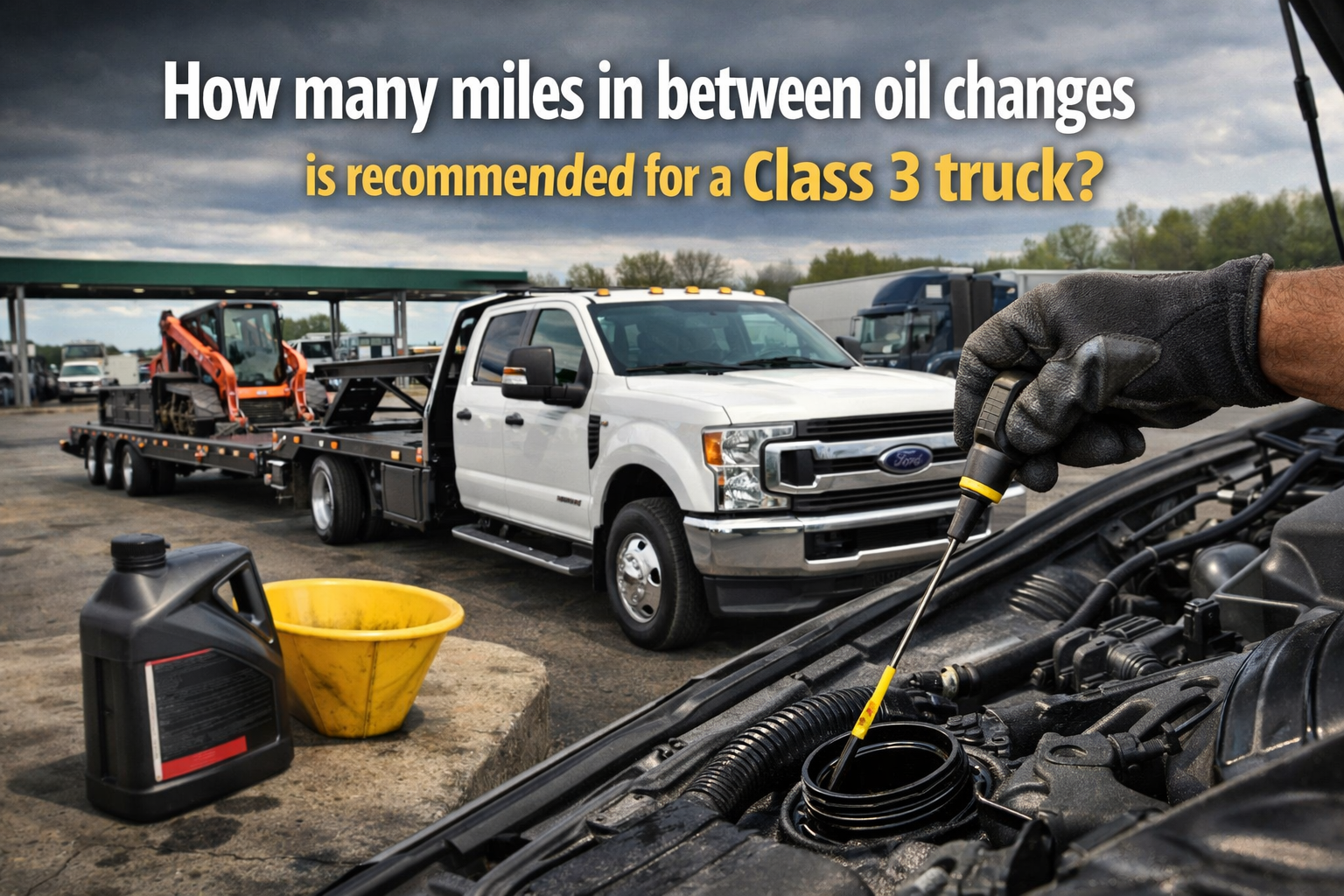
Do I go with a certain milage or do I go with what the truck oil change monitoring says? You will get a hundred different answers. The crazy part is everyone does it their own way, but here are some of the facts.
It really comes down to the quality of the oil, filters, and engine conditions. Are you hauling a gooseneck trailer through various climates? Freezing cold, blistering hot?
Is your truck Turbo powered?
Do you use a premium conventional or Synthetic like Rotella, Mobil 1, Castro Edge or Amsoil Signature series – which some claim that they can go 20k before changing.

We use Rotella on our trucks, but we have used Amsoil before because it was rated for 20k with their filters. What made it more expensive was compensated by having to bring my trucks in more often for oil & filter changes. Bringing them in involves taking them off the road where they are making money, scheduling oil changes, and having the oil and filters available.
My goal is to someday have an inventory of Amsoil but that is an investment I have not been able to spare lately. I would like to hear more about Mobil 1 or Castro users. They make some great claims.
So here is what my research found about:
Does my Class 3 truck go further between oil changes if I use Synthetic vs premium oil?
Yes, for a Class 3 truck, full synthetic oil allows for significantly longer intervals between changes compared to premium conventional oil. Synthetic oil is engineered to resist thermal breakdown and oxidation for thousands of additional miles.
The specific mileage varies based on your engine type and operating conditions as follows:
Estimated Service Intervals
· Full Synthetic Oil: Typically 7,500 to 15,000 miles. Some heavy-duty diesel configurations using high-quality synthetics may even reach 25,000 miles or more if monitored by oil analysis.
· Conventional/Premium Oil: Usually requires replacement every 3,000 to 5,000 miles.
· Synthetic Blend: Often sits in the middle, typically ranging from 5,000 to 7,500 miles.
Factors Affecting Your Oil Change Interval
· Severe Duty (Towing/Hauling): Class 3 trucks are often used for heavy loads. Under “severe” conditions—such as frequent towing, extreme temperatures, or stop-and-go idling—you should reduce your interval, often to 5,000–7,500 miles even with full synthetic.
· Turbocharged Engines: Many Class 3 trucks (like those with PowerStroke, Cummins, or Duramax engines) use turbochargers. These run extremely hot and can degrade oil faster; most manufacturers recommend no more than 5,000–7,500 miles for these specific setups.
· Engine Cleanliness: Synthetic oils contain more detergents that prevent sludge buildup, keeping the engine cleaner over these extended periods.
Recommendation: Always prioritize the recommendations in your Owner’s Manual or your truck’s Oil Life Monitoring System if equipped. If you want to safely maximize your interval, consider using an Oil Analysis Service to test the remaining life of the oil at your next change.
In conclusion, I would highly recommend a fully synthetic premium quality oil. Many use Docs Diesel filters or OEM quality. Honestly, I use the inexpensive Amazon filters and change every time I change the oil. We go about 12-15k between changes, just depending on how it plays out, getting them back in. I want to add that I am not the best source of advice, I just put two new motors in my Rams. You need to take care of your trucks, they make your money, feed your family, and are our trusted companions lol.
What is your best course of action when changing oil filters? How often and what brands? We would love to hear your thoughts in the comments!
Click Here to Read More Articles From Our Hotshot Trucking Resource Blog!